Tracking Engagement Metrics at Poker Tables Across Britain's New Casino Apps
Morgan Otto · Nov 11, 2026
Tracking Engagement Metrics at Poker Tables Across Britain's New Casino Apps
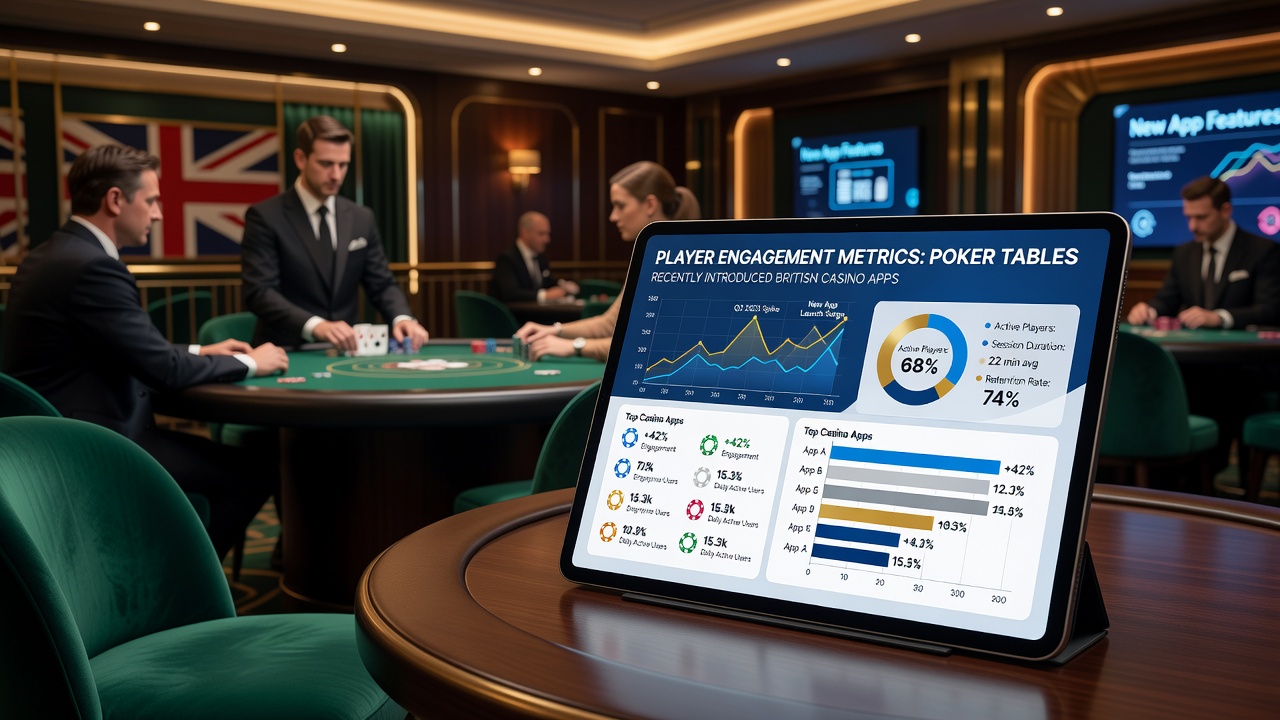
Developers behind several British casino applications launched since early 2025 have begun publishing detailed reports on how players interact with their poker tables, and those reports highlight clear patterns in session length, hand volume, and return rates. Figures released in November 2026 show average session durations climbing from 42 minutes in the first quarter of 2025 to 61 minutes by the third quarter of 2026 across five major platforms, with the increase tied to new table-staking mechanics and real-time leaderboard updates.
Core Metrics Collected by Operators
Teams at these platforms record several standard indicators, including hands completed per active user, average bet size relative to stack depth, and frequency of multi-table sessions. One dataset covering 1.2 million accounts revealed that users who opened three or more tables simultaneously stayed connected 37 percent longer than single-table players, while those who joined loyalty-driven sit-and-go events completed 2.8 times more hands per week than users who avoided scheduled tournaments.
Retention curves also receive close attention. After the first seven days, 68 percent of accounts that had played at least 150 hands remained active, compared with only 29 percent of accounts that logged fewer than 50 hands in the same window. Operators note that these thresholds help them adjust bonus structures and table limits without altering overall game rules.
Regional Patterns Emerging in Late 2026
Users in England showed higher average chip-buy-in amounts than those in Scotland or Wales, yet Scottish accounts posted the highest rate of consecutive daily logins. In November 2026, cross-border comparisons indicated that Welsh players participated in more micro-stakes cash games, while English accounts gravitated toward mid-stakes zoom tables. These geographic differences appear in weekly internal dashboards shared among product teams.
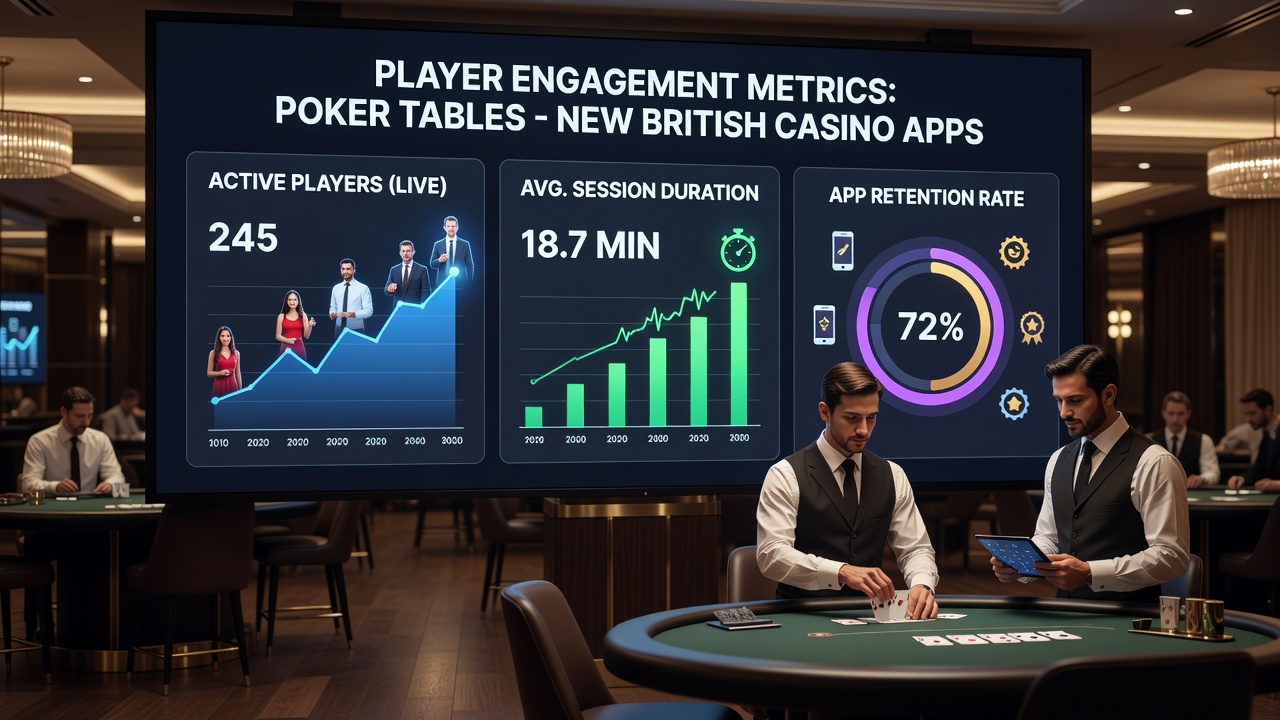
Push-notification timing also influences these numbers. Accounts that received targeted messages about table seat availability within 90 seconds of a previous session ending recorded a 22 percent higher return rate the following day. Developers have therefore refined delivery windows based on time-of-day data rather than generic hourly blasts.
Tools and Dashboards Driving Decisions
Most platforms now integrate third-party analytics suites that merge on-device telemetry with server-side hand histories. These systems flag tables where average player count drops below a set threshold, allowing floor managers to merge or close low-traffic games within minutes. One mid-sized operator reported that automated table balancing reduced empty-seat time by 41 percent between January and October 2026.
Academic observers have begun examining the same datasets. A working paper from the University of Sydney's gambling research unit, available through their public repository, compares engagement curves from British apps against similar products in New South Wales and finds overlapping peaks in evening hours, although British users exhibit shorter but more frequent sessions.
Regulatory Context and Reporting Standards
While the platforms operate under British licensing frameworks, they also align with data-reporting expectations set by the Malta Gaming Authority and the Alcohol and Gaming Commission of Ontario. These cross-jurisdictional standards require anonymized summaries of session length and deposit frequency to be submitted quarterly, and the November 2026 filings showed consistent upward trends in both categories across the newest applications.
Another external benchmark comes from the American Gaming Association's annual digital gaming report, which includes a section on international mobile poker products. The 2026 edition notes that British apps adopting real-time hand-strength feedback tools saw engagement metrics rise faster than those relying solely on traditional lobby sorting.
Conclusion
teh combination of session-duration tracking, multi-table usage statistics, and geographic segmentation now forms the backbone of product updates for poker offerings inside recently launched British casino apps. As November 2026 data continues to arrive, operators are using these indicators to refine table structures and notification systems, while external researchers compare the results against markets in Australia and North America to identify broader patterns in mobile poker behavior.